A Gentle Weekly Garden Routine
- A routine should respond, not merely repeat
- Start the week with a ten-minute walk
- Block one: water and stabilize
- Block two: weed, inspect, and tidy selectively
- Block three: harvest, plant, or improve one small thing
- End with a five-minute reset
- Build rest into the method
- Check plants around children and animals
- Sources
A routine should respond, not merely repeat
A gentle weekly garden routine starts with observation, then chooses a few tasks by weather, soil moisture, plant stage, safety, and your available energy. Use one short planning round, two or three light work blocks, and one reset. Water when plants and soil need it, weed before seed forms where practical, harvest promptly, and stop before fatigue turns careful work into dropped tools and resentful parsley.
Start the week with a ten-minute walk
Carry no tools except a phone or notebook. Look at:
- Soil moisture below the surface, not only crust color.
- Wilting, scorch, discoloration, spots, chewing, webs, or distortion.
- New growth, buds, flowers, fruit, and seed heads.
- Weeds approaching flower or seed.
- Broken branches, loose supports, sharp edges, and trip hazards.
- Drainage, irrigation leaks, standing water, and dry containers.
- Forecast heat, frost, wind, heavy rain, or storms.
Photograph changes with dates. Do not diagnose from one symptom; water stress, roots, weather, nutrition, disease, and pests can look alike. Use a local extension diagnostic service or qualified horticulturist when the pattern persists.
Choose one must-do task, two useful tasks, and one optional task. That is the week's list.
Block one: water and stabilize
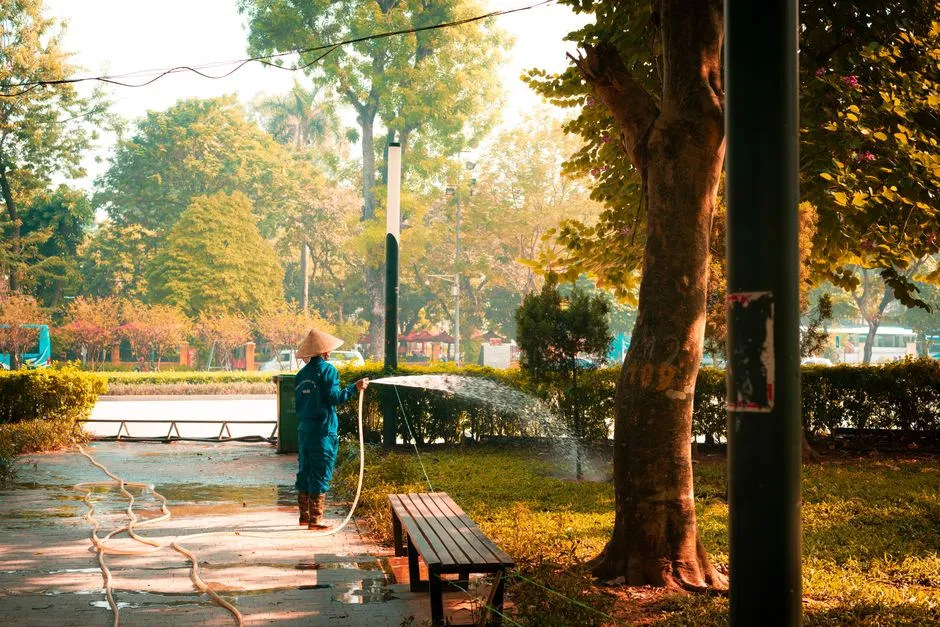
Check moisture at root-zone depth appropriate to the plant and container. Water deeply enough to wet the active root area when needed, then allow drainage. Containers, new plantings, established beds, lawns, and succulents do not share one schedule.
Water early enough that you can see what you are doing and comply with local restrictions. Direct water to soil rather than foliage when that suits the crop and disease context. Empty standing water from objects where mosquitoes can breed, while preserving managed wildlife water features under appropriate guidance.
Secure loose ties without strangling stems. Stake only where needed and check rubbing. Move pots out of dangerous wind or heat only if the species and weight permit safe handling. Never lift a wet, oversized container alone to prove the career break has developed character.
Block two: weed, inspect, and tidy selectively
Remove a manageable section of weeds while soil conditions make it practical. Identify the plant first; seedlings of wanted species can resemble weeds, and hazardous or invasive plants may require specific protective handling and disposal. Do not compost regulated invasives or diseased material when local guidance advises another route.
Cut damaged or dead herbaceous material with clean, appropriate tools. Major tree limbs, overhead work, chainsaws, power lines, unstable trees, and unfamiliar pruning belong with qualified professionals. Disinfect tools when disease guidance recommends it and avoid transferring contaminated soil between areas.
Block three: harvest, plant, or improve one small thing
Choose one seasonal action. Harvest ready produce with clean containers, label seed sowing, thin seedlings, refresh one pot, edge a short section, or add mulch where appropriate. Keep mulch away from direct contact with trunks and crowns and follow local guidance on depth and materials.
Planting dates depend on crop, local frost and heat patterns, soil conditions, and forecast. USDA hardiness zones help with perennial winter cold tolerance; they do not tell you the right tomato date. Use local extension calendars and the specific plant's requirements.
When using fertilizer, pesticide, compost, or soil amendment, identify the need first and follow the complete current label. More is not better. Store products in original containers away from children, pets, food, and incompatible materials, and use required protective equipment.
End with a five-minute reset
Count tools back in, remove soil as directed, dry metal where appropriate, close blades, charge only approved equipment, coil hoses without creating a trip hazard, and store chemicals securely. Wash hands and exposed skin after gardening and before eating.
Update three notes:
- What changed?
- What needs watching?
- What is the next weather-dependent task?
Build rest into the method
Use a stool, kneeler, raised container, smaller watering can, lightweight tool, shaded work window, or another adaptation that reduces strain. Alternate tasks and avoid prolonged gripping or one posture. Keep paths clear and work within balance and mobility limits.
Heat, lightning, poor air quality, ice, high wind, or illness can cancel the session. Go indoors at thunder, follow public weather and air-quality guidance, and obtain medical advice for conditions or medicines that affect heat, sun, exertion, balance, or immune risk.
Gardening may support a day, but it does not replace medical or mental-health care. Seek professional or emergency help when needed.
Check plants around children and animals
Keep exact labels and verify toxicity for every plant, bulb, seed, berry, mushroom, fertilizer, pesticide, and treatment accessible to children or pets. “Pet-friendly” lists can be incomplete, and plant names vary.
If a child or animal may have ingested something, contact the appropriate poison center, veterinarian, or emergency service with the name, amount if known, time, symptoms, and product label. Do not induce vomiting or give a remedy unless instructed.
Use the career-break garden project plan to keep maintenance matched to future capacity, and browse garden routines for seasonal variants.
The best weekly routine leaves the plot observed, the important work done, the tools returned, and enough energy to enjoy the place you have been maintaining.